Acupuncture for Migraines & Headaches in Farnham and Surrey
Migraines and chronic headaches can disrupt your work, social life, and overall wellbeing. The throbbing pain, light and sound sensitivity, nausea, and many other symptoms can make the simple tasks a real challenge.
Whilst medications can often offer temporary relief, they often mask the symptoms rather than treat the underlying cause. Acupuncture can help to treat the root imbalance of your body, meaning that the focus is often on ensuring that the symptoms don't come back rather than just managing them slightly better.
Acupuncture for Migraines & Headaches
Migraines and chronic headaches can disrupt your work, social life, and overall wellbeing. The throbbing pain, light and sound sensitivity, nausea, and many other symptoms can make the simple tasks a real challenge.
Whilst medications can often offer temporary relief, they often mask the symptoms rather than treat the underlying cause. Acupuncture can help to treat the root imbalance of your body, meaning that the focus is often on ensuring that the symptoms don't come back rather than just managing them slightly better.
Most patients report a reduced frequency, intensity, and duration of headaches and a general improvement in their health overall.
Understanding Migraines and Chronic Headaches
Chronic headaches, which include tension-type headaches and cluster headaches, can be debilitating. They are often triggered by stress, poor posture, hormonal changes, or digestive imbalance.
Migraines are more than just headaches. They are a neurological condition that can cause severe pain, visual disturbances, nausea, and sensory sensitivity.
Acupuncture, as with any condition, treats headaches holistically rather than just as a single symptom. By understanding you as a whole, we can begin to see things as a whole-body issue. We often address stress, nervous system function, and more by affecting your energy flow. Acupuncture helps headaches and migraines by encouraging your body to heal naturally.





Common Migraine & Headache Symptoms
As well as the symptoms, with acupuncture, it's always important to know the location and nature of your pain. The symptoms can include:
- Throbbing or pulsating head pain
- Sometimes it feels like the head is heavy with a crown like sensation
- Sensitivity to light, sound, or smell
- Visual disturbances or aura
- Nausea or vomiting
- Tension or pressure in the head, neck, or temples
- Fatigue and difficulty concentrating
If these symptoms sound familiar, acupuncture could be a safe and effective route to lasting relief.


Josh is just an incredible practitioner and an absolutely lovely person! I've gone to several different acupuncturists in the past with mixed success, but Josh has a completely different approach that feels like a therapy session and acupuncture combined. He really listens and looks at all of your symptoms as a whole. Going to Josh, is the first time I had an experience of instant pain relief in acupuncture which felt like nothing short of a miracle. I can't recommend him enough! He's an absolute gem of a person and a very talented acupuncturist.

— Brittany

How Acupuncture Helps with Headaches and Migraines
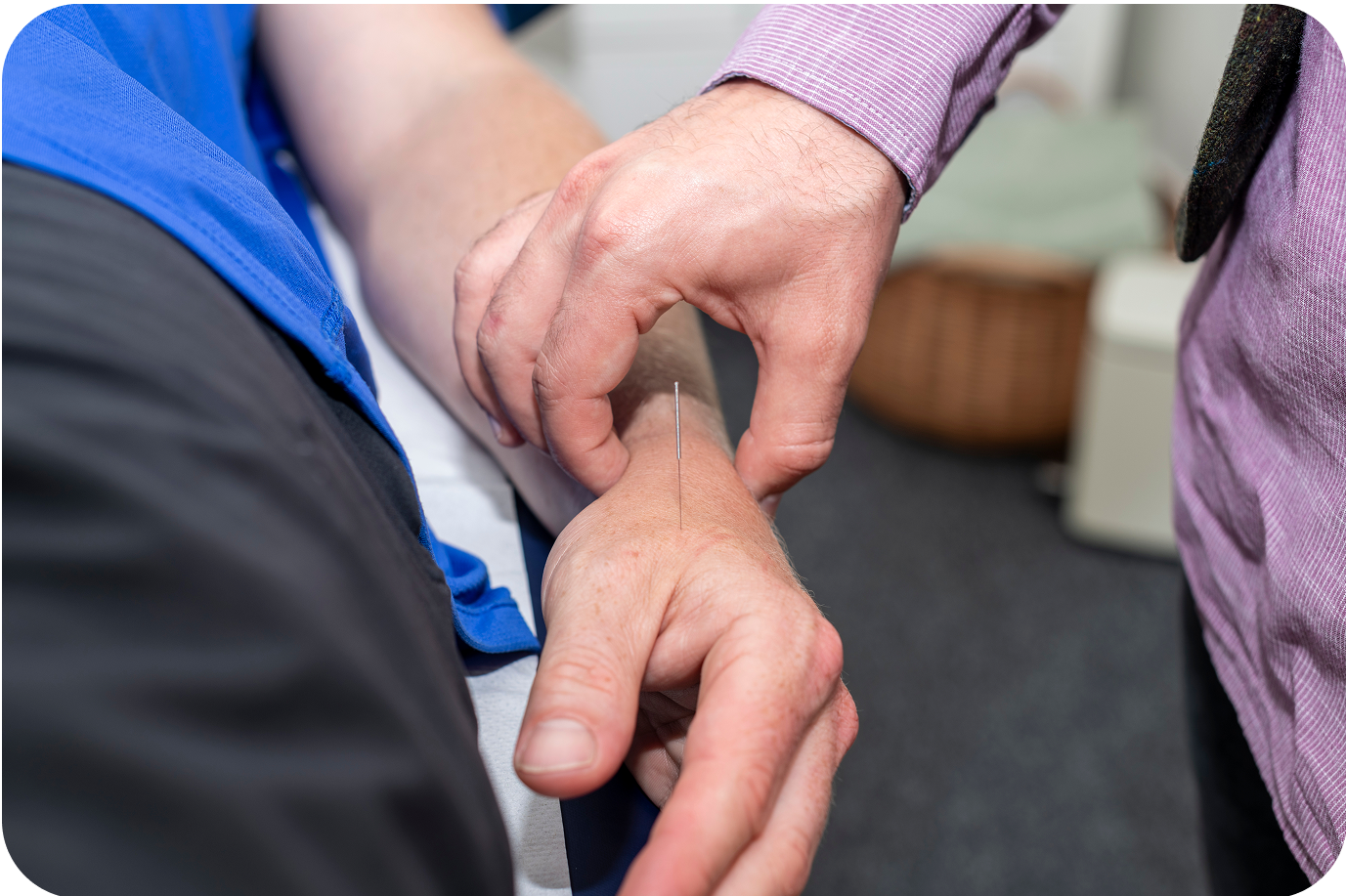
In Traditional Chinese Medicine (TCM), migraines and chronic headaches are viewed as manifestations of internal imbalances or blockages in Qi (your body’s vital energy). These disruptions are often triggered by systemic factors such as emotional stress, hormonal fluctuations, or digestive health.
My approach focuses on identifying your specific triggers to provide targeted relief. Clinical research, including the NICE (National Institute for Health and Care Excellence) guidelines, recommends acupuncture as a proven treatment for migraine prevention and tension-type headaches.
Through clinical acupuncture, we aim to:
- Reduce the frequency and intensity of headache attacks.
- Provide natural pain relief by stimulating the release of endorphins.
- Improve vascular circulation and reduce localised inflammation.
- Regulate the nervous system to mitigate the effects of stress and hormonal shifts.
The Science Behind Acupuncture and Head Pain
Many studies seem to prove that acupuncture has the ability to influence the body’s pain neurological system. Research shows that acupuncture:
- Modulates brain activity in pain-processing areas
- Regulates blood flow to the brain
- Reduces muscle tension in the neck and shoulders
- Improves neurotransmitter balance
This combination of effects makes acupuncture an effective solution for reducing both headache pain and the likelihood of future attacks.
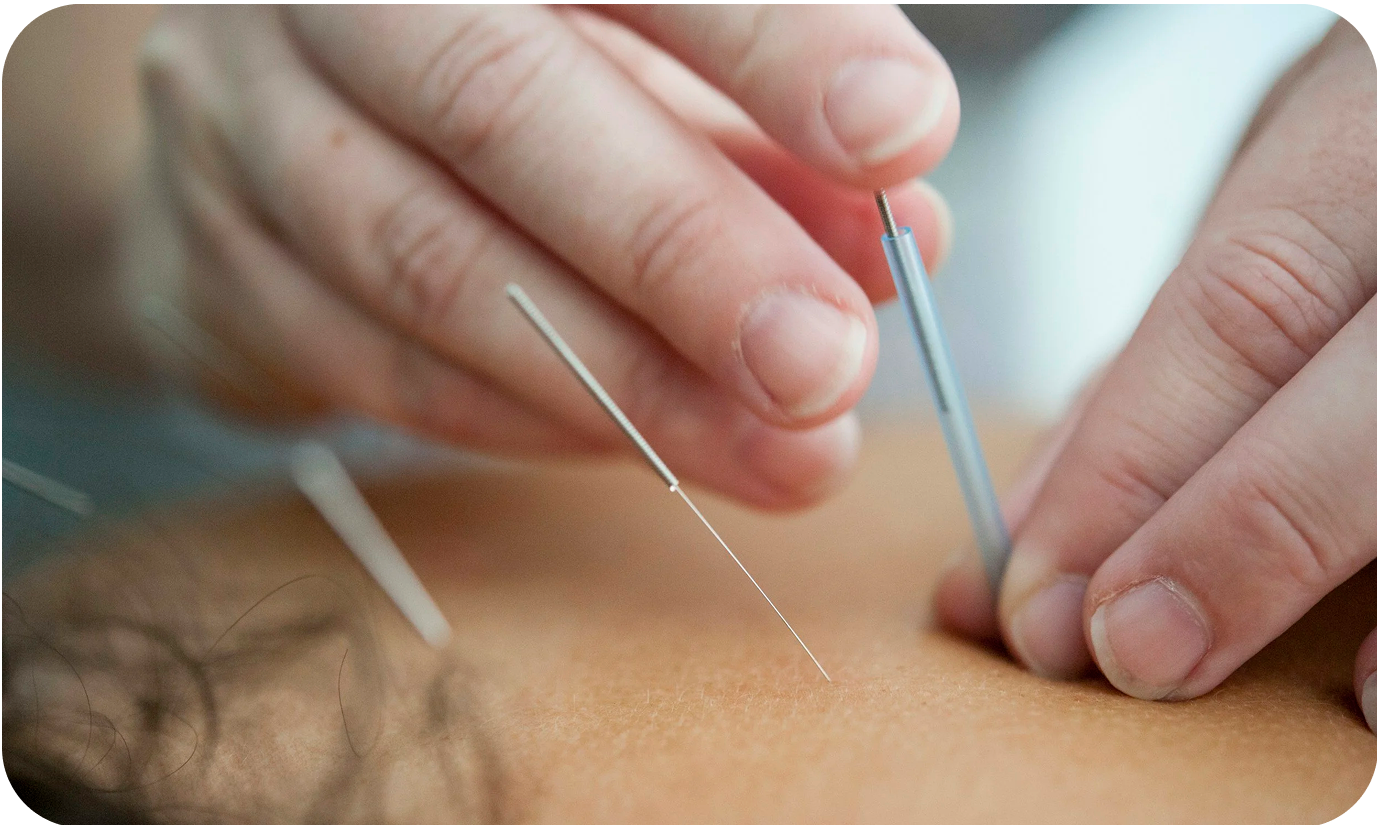
What to Expect in a Migraine & Headache Acupuncture Treatment in Surrey
Step 1: Initial Consultation
Step 2: Targeted Acupuncture Treatment
Step 3: Relaxation and Healing
Step 4: Lifestyle and Prevention Advice
Why Choose Our Clinics in Farnham and Godalming for Headache & Migraine Relief
- Experienced and fully licensed member of the British Acupuncture Council with deep expertise in treating headaches and migraines
- Gentle, personalised treatments tailored to your condition
- A holistic approach where I treat the root cause and not just the symptoms
- Ongoing support with practical advice to help you prevent headaches and migraines
- Evidence-based care guided by both traditional principles and modern research
Frequently Asked Questions About Using Acupuncture To Treat Headaches and Migraines
How many acupuncture sessions will I need for migraine relief?
Most patients experience a significant reduction in headache frequency and intensity within 3 to 5 sessions. For chronic or long-term conditions, I typically recommend an initial course of 6–10 weekly treatments to stabilise the body's response. Once we have achieved a consistent reduction in symptoms, we move to monthly "maintenance" sessions to ensure long-term neurological balance.
Can acupuncture help with hormonal migraines or menstrual headaches?
Yes, this is a common reason patients come to see me. In TCM, hormonal migraines are often linked to imbalances in the Liver and Kidney meridians. Imbalances in these meridians can affect blood flow and hormonal cycles, which is what causes the headaches. Acupuncture helps regulate endocrine function and ease vascular constriction in the upper body, hence providing an effective, drug-free option for cycle-related headaches and PMS symptoms.
Is acupuncture effective for tension-type headaches caused by stress?
Absolutely. Acupuncture effectively relaxes tension in the neck, jaw (TMJ), and shoulders. Most of us have our shoulders by our ears, so it's no wonder we have tension-type headaches. By activating the parasympathetic nervous system, treatment switches your body from "fight or flight" to "rest and digest." This nervous system shift is key to addressing tension headaches.
Are there any side effects to using acupuncture for headaches?
Acupuncture is a safe, non-invasive, and evidence-based alternative to pharmaceutical intervention. There are generally no negative side effects. Sometimes patients may experience a minor, localised bruising or a temporary rebound headache as the body begins to balance. However, most patients report feeling deeply relaxed and revitalised.
Where are the needles placed for a migraine treatment?
Placement depends fully on your pain's location and type.
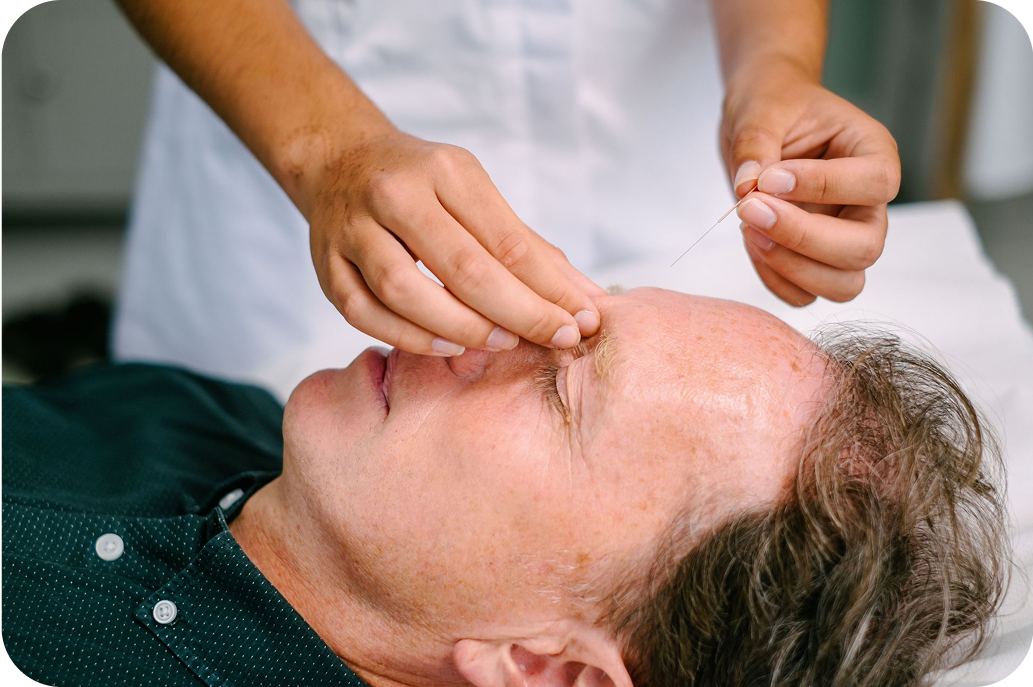
- Frontal headaches: We often focus on points on the hands and feet.
- One-sided/Temporal migraines: These are often linked to the Gallbladder meridian and require points near the temples or the base of the skull, as well as on the feet.
- Many effective points for head pain are on the lower legs and arms. This distal method helps direct pressure from the head and often offers quicker relief than local needling alone.
Can I have acupuncture during an active migraine attack?
Yes, although the focus during an active attack is on acute relief, reducing pain intensity and calming nausea. Acupuncture is most effective as a preventive strategy when used between attacks to raise your trigger threshold and regulate nervous system excitability.
How does acupuncture compare to "Beta-blockers" or "Triptans"?
Triptans are designed to abort an active migraine, while acupuncture offers a natural preventative. Clinical trials show acupuncture can match standard medications (such as Beta-blockers) in effectiveness, without typical side effects, for those seeking to lower medication use.
Can acupuncture help with "Vestibular" or "Aura" migraines?
Yes. Migraines involving aura (visual disturbances) or vestibular symptoms (dizziness/vertigo) are often associated with what TCM calls "Liver Yang Rising" or internal "Wind." Acupuncture is uniquely suited to grounding this energetic surge and calming the wind. By targeting points that stabilise the vestibular system and calm neurological overactivity, we can significantly reduce the frequency of these disorienting episodes.
What should I do after my treatment to maximise the results?
To support your nervous system's reset, I recommend staying well-hydrated and avoiding strenuous exercise for a few hours after a treatment. Alcohol and heavy caffeine can be good to give a miss. Basically, giving yourself a quiet window to rest allows the body to fully integrate the session. During our consultation, I will also provide tailored lifestyle advice to help manage your condition.
Take Control of Your Head Pain Today
Migraines and chronic headaches can take a toll on your life but you don’t have to accept them as inevitable.