Attention-Deficit/Hyperactivity Disorder (ADHD) is a common condition we see in the clinic. It is a neurodevelopmental condition typified by persistent inattention, impulsivity, and hyperactivity patterns that can interfere with daily functioning. It has traditionally been commonly diagnosed in childhood, although many more are getting diagnosed now as adults. Most organisations like the World Health Organisation (WHO) and NICE in the UK consider it a medical condition.
It’s one of the more common neurodivergent disorders with continued growth rates in both diagnosis and awareness. Typically, diagnosis is made through a clinical assessment, which includes gathering information from various relationships (such as parents, teachers, and children) and often contains standardised rating scales. There are three primary ADHD diagnoses: predominantly inattentive, predominantly hyperactive-impulsive, and combined type.
It’s often suggested that there is a genetic component to ADHD, with heritability estimates at between 70-80%. However, there are aspects to content with:
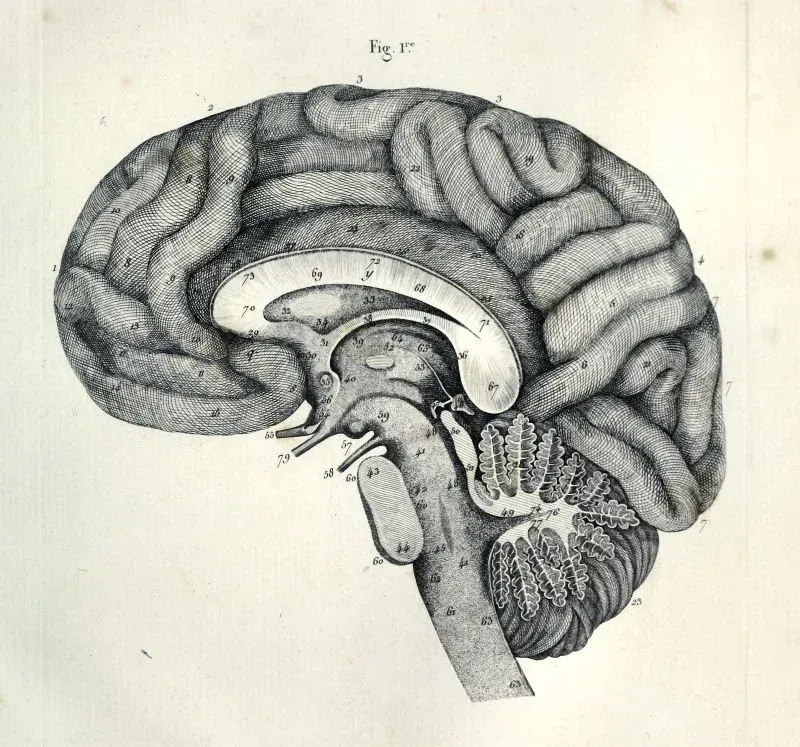
Interesting results include brain imaging studies showing different structures and functions of brain regions.
Some environmental factors include things like premature birth, low birth weight, prenatal exposure to harmful substances, and some early childhood adversity.
In adults, modern life and technologies like social media can also have an impact.
ADHD can be complex to manage with often a range of behavioural interventions (like CBT), lifestyle modifications (like sleep), and medications. In the NICE guidelines, there is a suggestion that a holistic and individualised approach to ADHD can be critical, which is where therapies like acupuncture can play a significant role.
Acupuncture and ADHD: A Classical Perspective
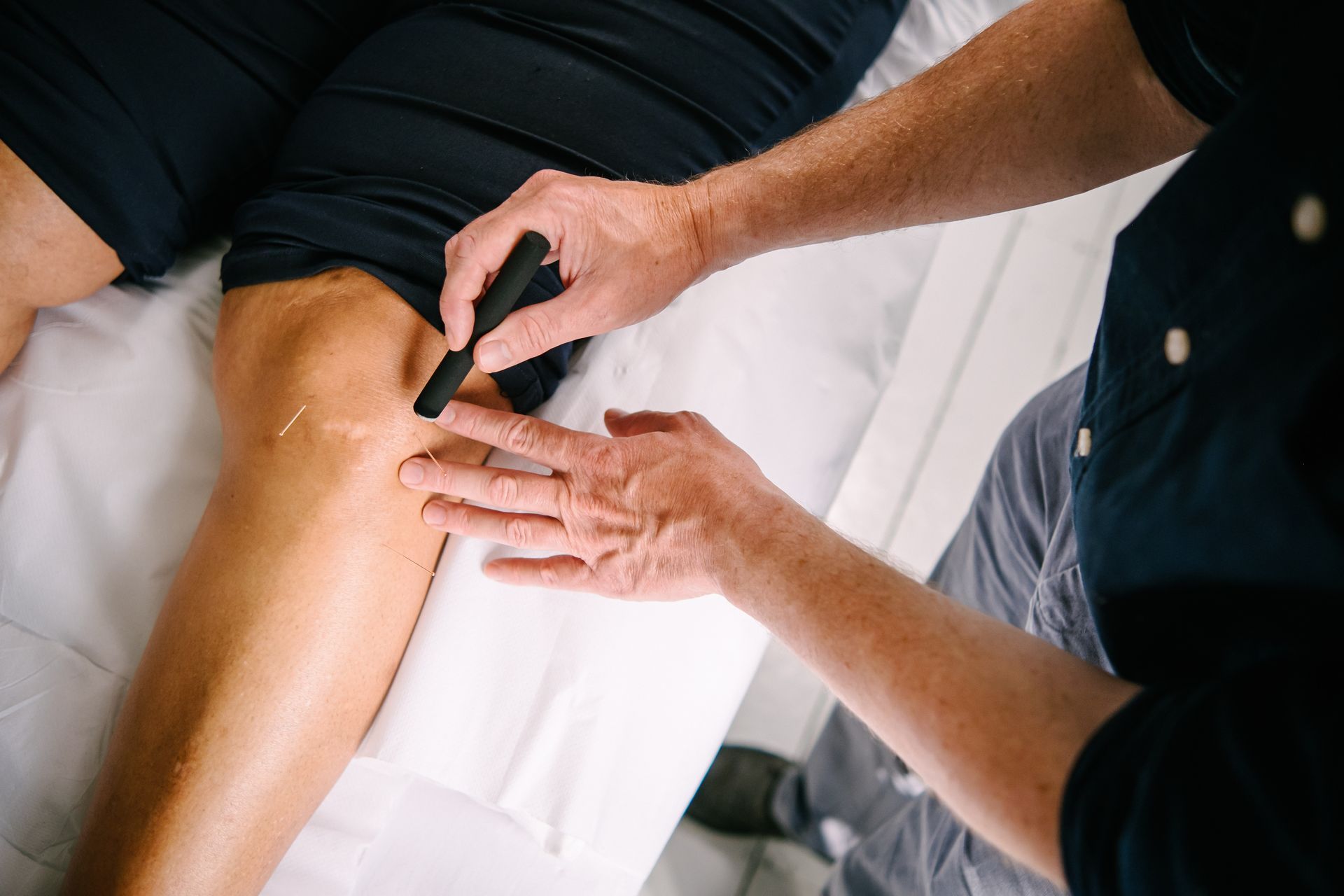
Acupuncture is a holistic medicine that inserts fine needles into the body to help it heal. It’s rooted in over 2,000 years of practice and is based on classical texts such as the Huangdi Neijing (Yellow Emperor’s Inner Canon).
Whilst they do not necessarily talk about ADHD in the classical texts of acupuncture, there are many other ways that we can begin to understand it. In part, the best approach is to work with each individual as a unique person and focus the treatment based on their unique requirements. However, there are many ways that we could approach this, which include:
Classical sources describe how the mind (Shen) and spirits (Hun, Shen, Po, Yi, and Zhi) must be harmonised for mental clarity and emotional stability.
ADHD is often linked to disturbances in the Heart (which houses the Shen), the Liver (which governs the smooth flow of Qi and emotions), and the Kidneys (which store Jing and influence brain function)
There needs to be enough yin to ground the yang. Often, patients who come for treatments with ADHD do not have enough yin.
Understanding the Patient through the Ba Zi (Four pillars)
Acupuncture, rooted in the classical texts of Chinese Medicine, offers a holistic approach to managing ADHD by addressing both the physical and mental imbalances that contribute to symptoms.
I’ve had several patients who have come for acupuncture for ADHD. There is a way of understanding a patient’s potential propensity towards conditions, which comes from the BaZi. This looks at several dynamic elements found through exploring a person’s hour, day, month, and year of birth to see how their prenatal chart looks.
Most patients who come for ADHD do not have enough of the yin elements, such as Water or Metal, and an abundance of more yang elements. This varies, with some patients coming with more wood, where they may be more prone to things like frustration, and then others coming with more fire, leading to different ideas.
Charts can help us better understand patients and adapt our treatments to ensure they receive the support they need.
Potential Points that We May Use
In acupuncture treatment, we might focus on calming the Shen, anchoring the Hun (which can lead to excessive wandering thoughts when unrooted), and strengthening the Spleen to support cognitive function.
Points such as Yintang (EX-HN3), known for its ability to quiet the mind and improve focus, and Shenmen (HT-7), which soothes anxiety and supports emotional balance, are often used.
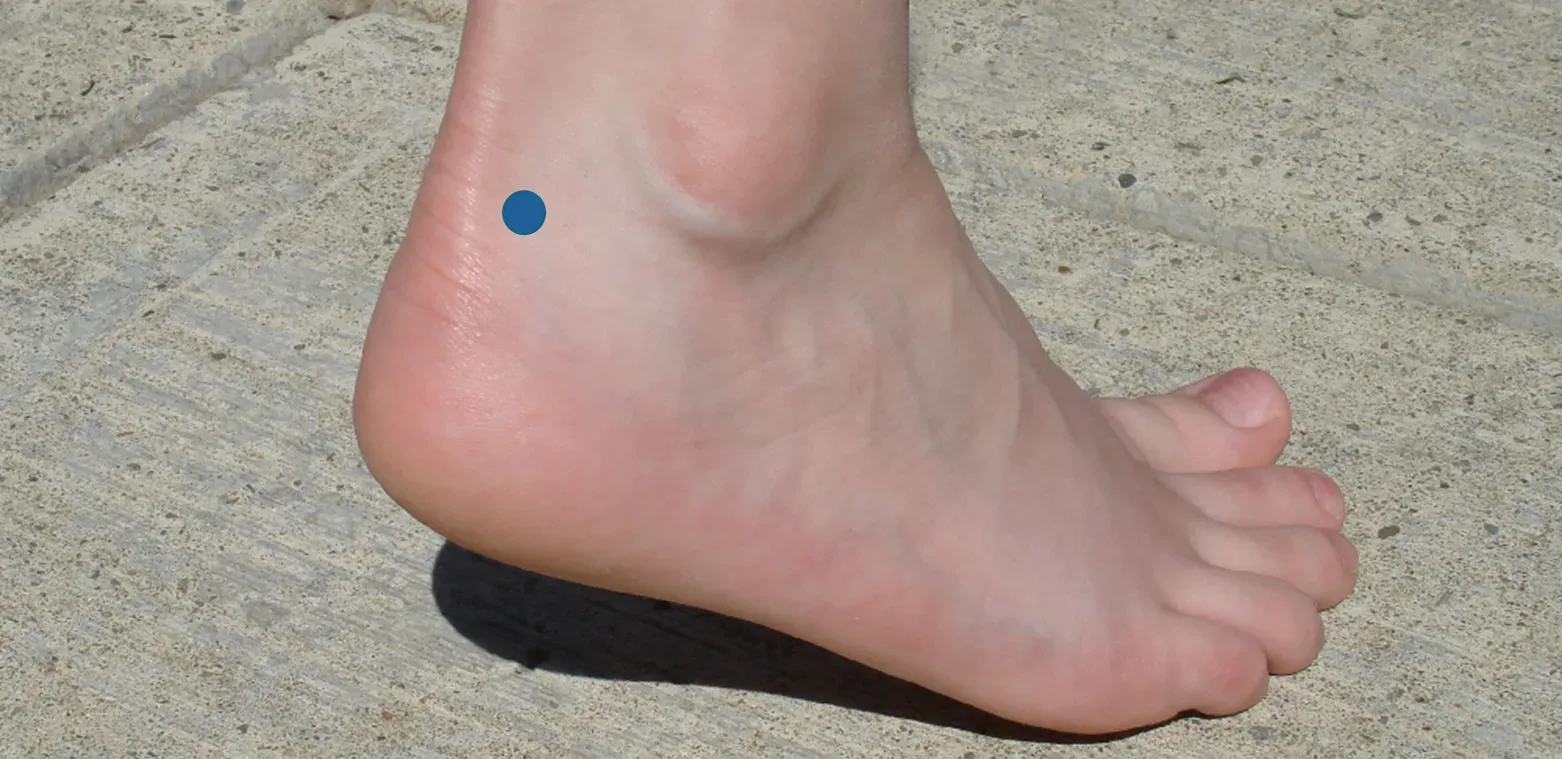
Liver 3 (Taichong) is a key point to smooth Liver Qi, reducing frustration and impulsivity. At the same time, Kidney 3 (Taixi) nourishes Kidney Yin, helping to ground excess hyperactivity.
Points like DU-20 (Baihui) also help lift the mental fog and improve concentration.