
Share this article

Buddhism and Chinese Medicine

Acupuncture has many different pathways since it’s inception. There are many close relationships between Chinese Medicine, Tibetan Medicine, Ayurvedic Medicine, and many more. This blog post explores Acupuncture and Buddhism’s close relationship. 

A female patient is lying on her back, with some needles in, as a practitioner to the right is adding a new point.

Buddhism and Chinese medicine are two ancient systems of thought and practice that have influenced each other over the centuries. Chinese medicine, which includes acupuncture, herbal medicine, and other modalities, originated in China over 2,000 years ago and has since spread throughout the world. Buddhism, on the other hand, originated in ancient India over 2,500 years ago and has since spread throughout Asia and beyond.


One of the main connections between Buddhism and Chinese medicine is the concept of Qi (pronounced "chee"). In Chinese medicine, Qi is the vital energy that flows throughout the body, and it is believed that blockages or imbalances in Qi can lead to physical or emotional problems. In Buddhism, Qi is also seen as the life force energy that permeates all things, and meditation practices are often used to cultivate and balance Qi.


Buddhist monks were some of the earliest practitioners of acupuncture and Chinese medicine. As they travelled throughout China, they learned about these practices and incorporated them into their own healing traditions. In addition to acupuncture, Buddhist monks also used herbal medicine, meditation, and Qi Gong (a type of movement therapy) to promote health and well-being.


The teachings of Buddhism also influenced the way that Chinese medicine was practiced. In particular, the concepts of impermanence, interdependence, and the Four Noble Truths (the truth of suffering, the truth of the cause of suffering, the truth of the cessation of suffering, and the truth of the path to the cessation of suffering) were integrated into the practice of Chinese medicine. Practitioners were encouraged to view health and illness as part of the natural cycle of life and to treat their patients with compassion and mindfulness.

Today, many practitioners of Chinese medicine incorporate Buddhist teachings and practices into their work. Meditation and mindfulness practices are often recommended to patients as a way to cultivate Qi and promote healing. In addition, many Chinese medicine practitioners use Buddhist principles to guide their approach to patient care, focusing on compassion, non-judgment, and the interconnectedness of all things.


In conclusion, the relationship between Buddhism and Chinese medicine is a rich and complex one that has evolved over thousands of years. Both traditions share a deep respect for the power of the human body and mind to heal itself, and both offer practical tools and techniques for achieving optimal health and well-being. Whether you are interested in Buddhism, Chinese medicine, or both, there is much to be learned from these ancient and time-tested practices.


Recent Posts

Calm, reflective water surrounded by mountains, with the Chinese characters 静水映天 centred downwards.
By Josh Barrow November 21, 2025
Learn how breath, Daoist wisdom, and the heart-kidney axis guide inner calm, emotional balance, and a harmonious flow of energy and vitality.
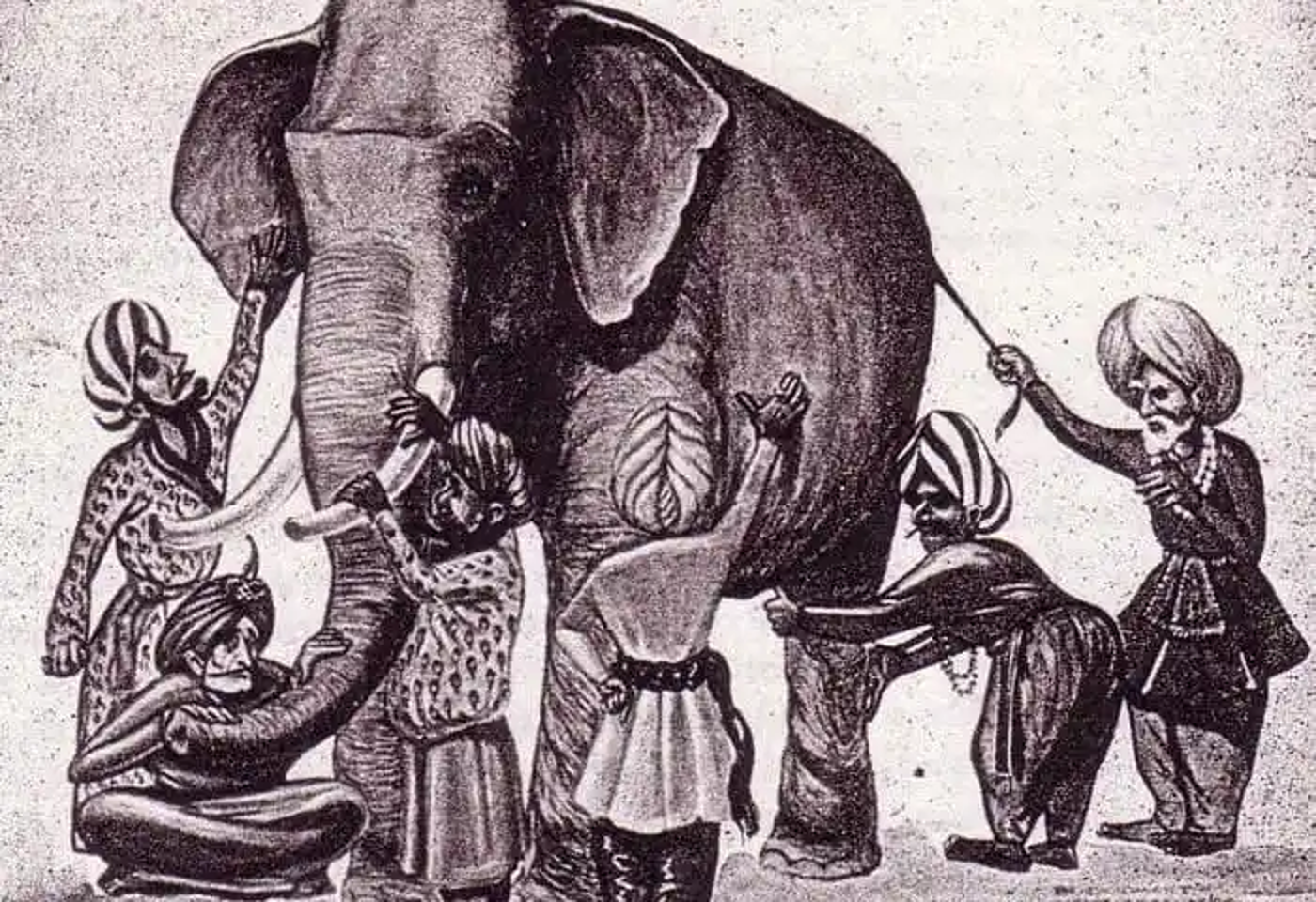
A black and white image of five men touching an elephant.
By Josh Barrow November 19, 2025
Yesterday, I found myself remembering the old story of the blind men and the elephant. Each man reaches out and touches a different part of the animal. One feels the trunk and says it’s a snake. One feels the leg and says it’s a tree. Another feels the ear and says it’s a fan. Each thinks they are right.

An image split by an orange tree with a picture of Anna on the left and Josh on the right.
By Josh Barrow November 6, 2025
Explore how shift workers can improve sleep, energy, and nutrition using the Chinese body clock. Simple lifestyle tips for better balance, stress relief, and long-term wellbeing.

A close-up of two men, greeting each other through a handshake, with the person on the right holding the other's elbow too.
By Josh Barrow November 6, 2025
Discover how thoughts and emotions influence your qi and physical health in Chinese Medicine. Practical steps to shift limiting mindsets, balance energy, and nurture emotional harmony.
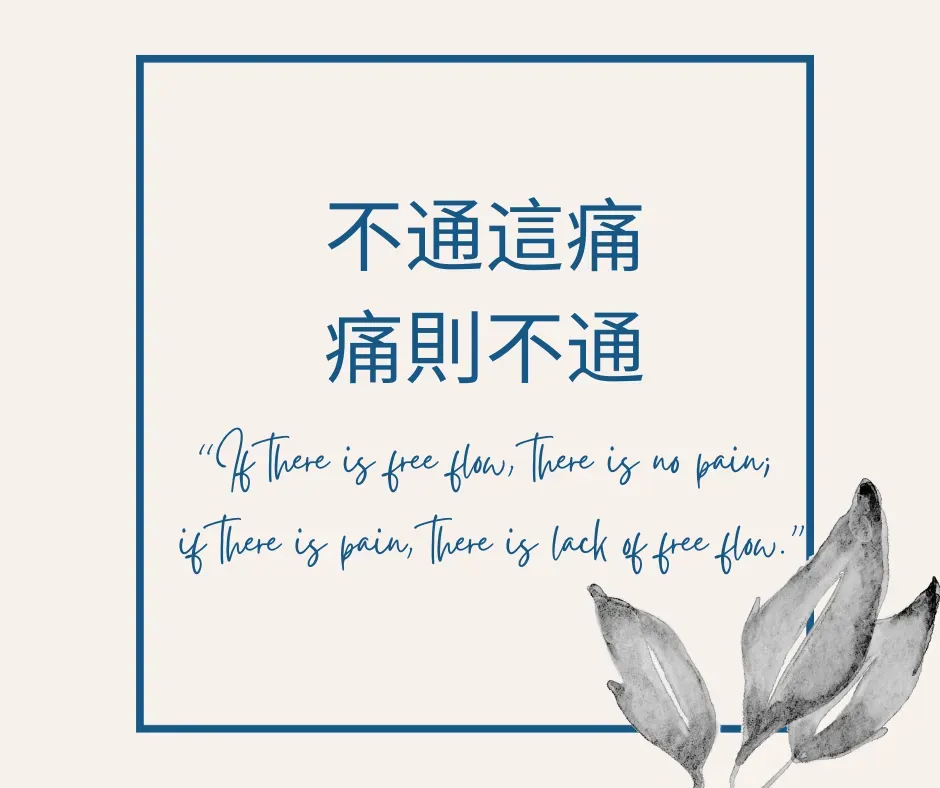
A lovely image which visually represents a chapter from one of the classical texts of acupuncture.
October 20, 2025
Curious how acupuncture works? By promoting the free flow of Qi and blood, it helps the body heal naturally, easing pain and supporting overall wellbeing.

An image is behind Chinese Characters for the Seasonal Node of Jie Qi. In the background is a frosted plant.
October 20, 2025
Discover how to navigate Frost’s Descent with Chinese Medicine. Seasonal foods, tips for protecting your lungs, boosting circulation, and preventing colds during this transitional period.

Josh stands tall as a lady to his right measures his height as part of a science experiment.
October 20, 2025
Discover how acupuncture supports holistic health by promoting the free flow of Qi, balancing emotions, and improving both physical and mental wellbeing.
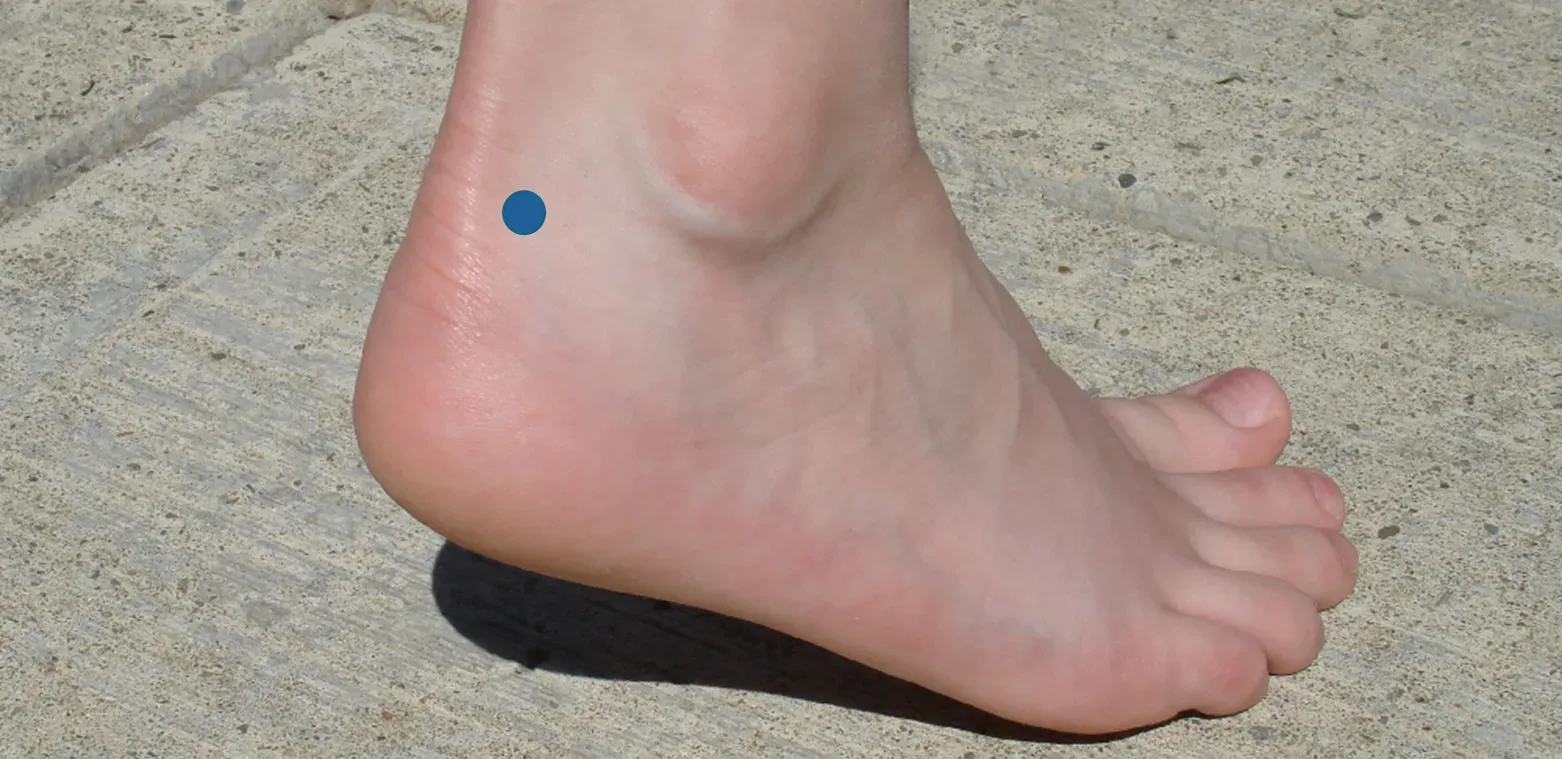
Foot with a blue dot on the outer ankle, resting on a textured gray surface.
October 20, 2025
Discover the benefits of Kidney 4, the Large Goblet, for back pain, shortness of breath, and fear-related emotional imbalances through Chinese Medicine principles.

A graphic which is of two faces eother side, made out of trees, with a person walking through a gap between the two faces.
October 20, 2025
Explore the many facets of personal identity, how illness or roles shape us, and why embracing multiple identities can enrich our lives and wellbeing.
Gold balloon letters spell
October 20, 2025
Learn why taking time to acknowledge your achievements matters. Reflect on hard work, perseverance, and personal growth to boost confidence and wellbeing.
Show More