Share this article

Listening With Fourteen Hearts

As I am sure you have experienced, or at very least gathered, creating a healing space is a huge part of my practice. I often say half the work is done before a needle is even picked up.


Part of this comes from intuition, but I’ve also studied large parts of counselling, where the importance of listening was emphasised again and again. Over the past two weeks, I’ve been reading Kiku (聞く), by Haru Yamada, which is a book entirely about listening.


Kiku is a Japanese word that can be understood as ‘listening with fourteen hearts’. It’s a beautiful phrase, but also a deeply practical one. Listening isn’t politely nodding, waiting for your turn to speak, or thinking of what to have for dinner while someone is talking.


Listening with fourteen hearts is a form of active, attentive listening that goes past the surface. The idea is that we don’t just listen with our ears, but with our attention, our body, our intuition, our history, and our care. Modern life has turned many of us into fast listeners: we skim conversations the way we skim emails, jump quickly to solutions, and interrupt out of impatience. Deep listening asks us to slow down.


This matters enormously both in the clinic and in everyday life. People often come to us with pains or problems expecting advice, treatment, or a plan. Yet something more subtle and more profound often comes first: the experience of being fully heard.


When someone feels genuinely listened to and understood, their nervous system settles. Their story becomes clearer, and often important details surface. Good listening isn’t just good manners. It’s therapeutic. It often reveals things that were never going to show up in the first place.


If you’d like to experiment with this yourself with partners, children, colleagues, or even your own body, here are three simple practices:


1. Pause half a beat longer than feels natural
Most of us respond too quickly. Try silently counting “one” before replying. That tiny pause often gives the other person space to add what they really meant and gives you time to respond more thoughtfully.


2. Listen for what isn’t being said
Deep listening notices not just words, but tone, pace, and hesitation. Where did their voice soften? Where did it tighten? What did they almost say? You don’t need to analyse it out loud; often, simply noticing can massively improve the quality of your attention.


3. Put your body on the same team as your ears
Listening is physical. Soften your shoulders, uncross your arms, and let your face be responsive. People feel the difference immediately. Your body often listens before your mind does.


Listening is one of the most powerful skills we have and one of the least taught. It deserves far more space in our schools, workplaces, and homes. I hope this email gives you a moment to pause, think, and reflect on how well you listen.


And finally, remember: it isn’t always your job to solve someone’s problems. Sometimes the most helpful thing you can offer is your presence, your attention, and a simple acknowledgement of “that sounds really tough”. 


Acknowledging someone’s experience can be deeply validating and hence healing. 

Recent Posts

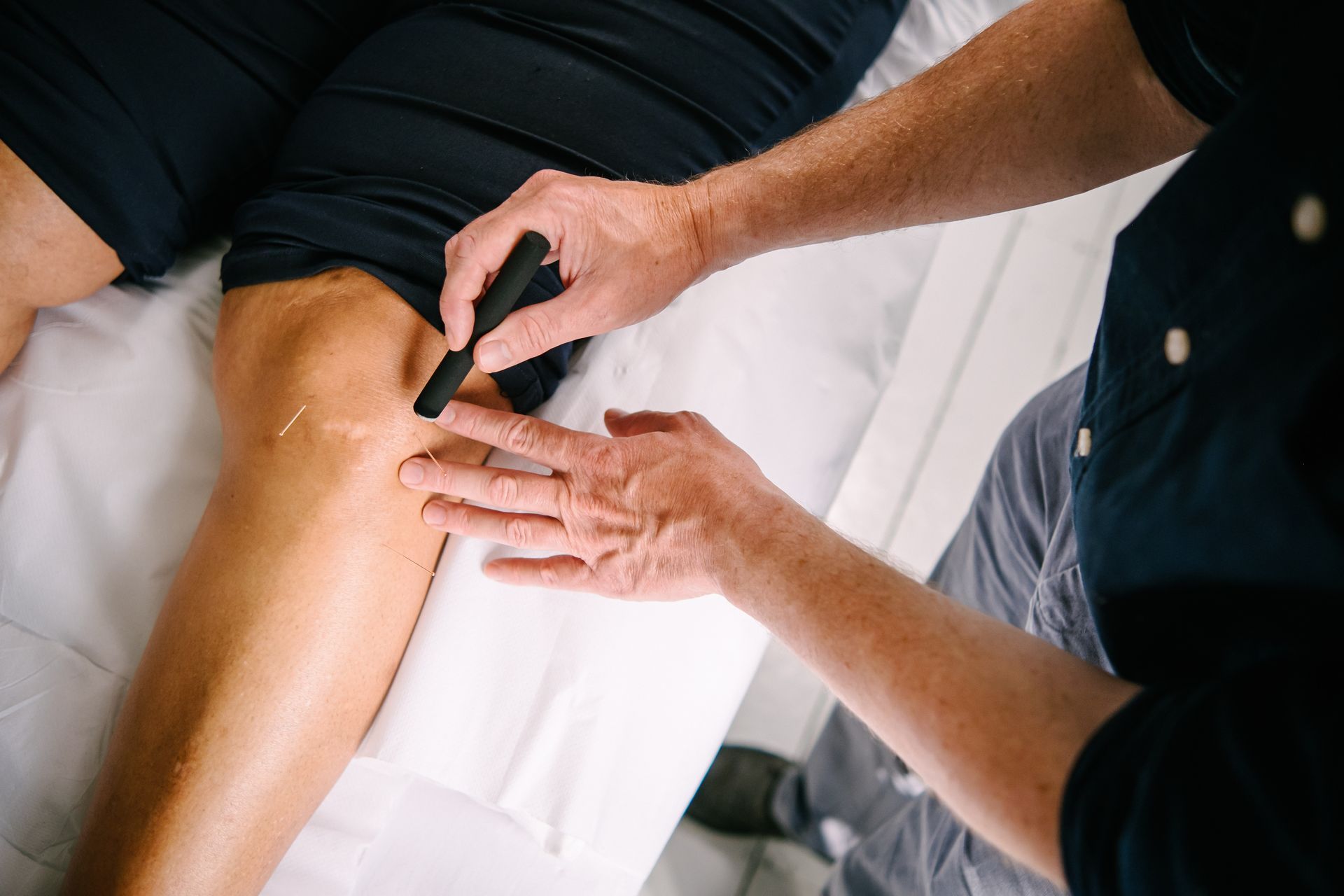
An acupuncturist using moxibustion on a patient's knee.
By Josh Barrow December 27, 2025
This is a blog post on Courage. Courage, I realised, isn’t reserved for grand gestures. It appears in the quiet, acts of daily life. Often unnoticed but powerful.

Calm, reflective water surrounded by mountains, with the Chinese characters 静水映天 centred downwards.
By Josh Barrow November 21, 2025
Learn how breath, Daoist wisdom, and the heart-kidney axis guide inner calm, emotional balance, and a harmonious flow of energy and vitality.
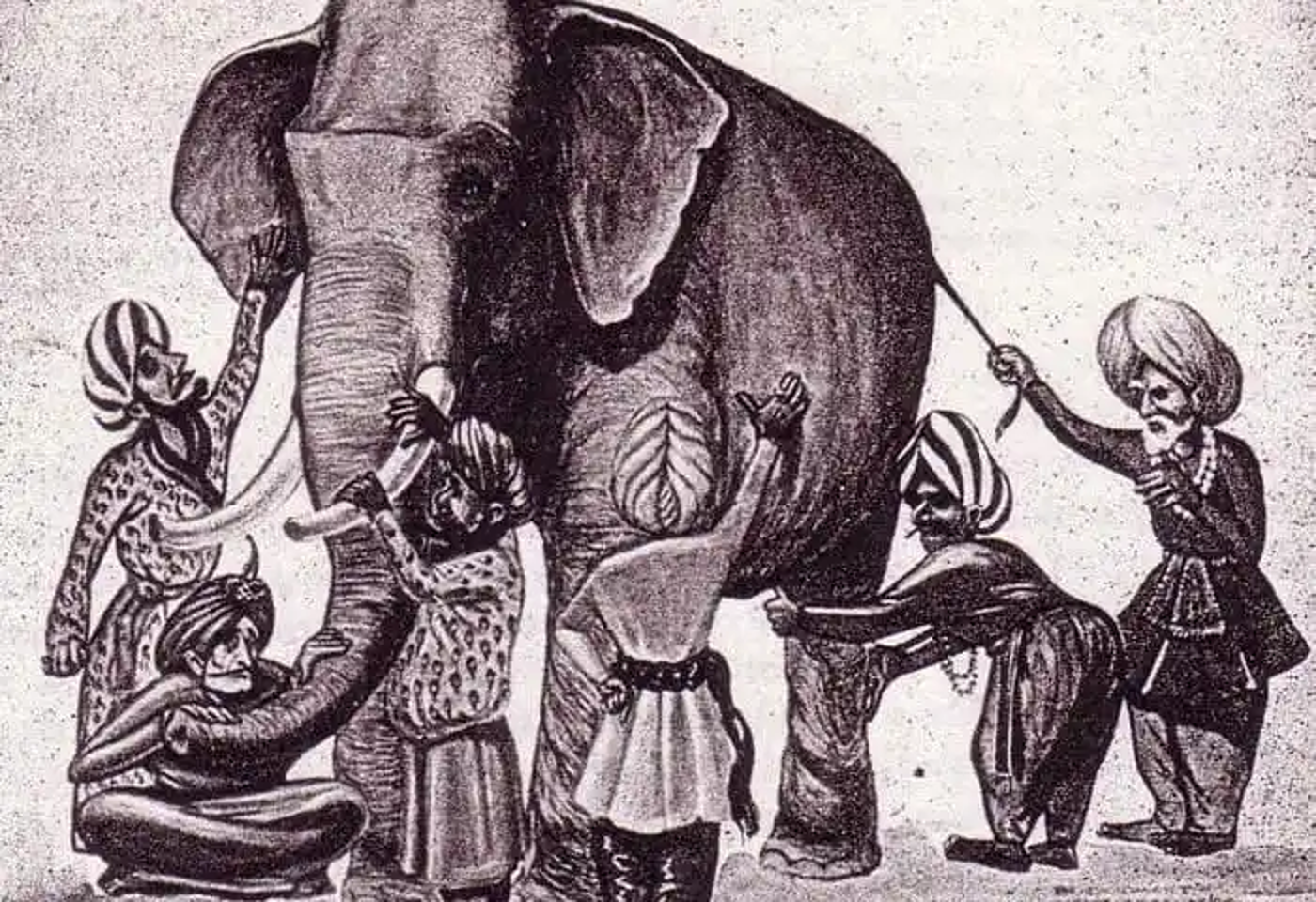
A black and white image of five men touching an elephant.
By Josh Barrow November 19, 2025
Yesterday, I found myself remembering the old story of the blind men and the elephant. Each man reaches out and touches a different part of the animal. One feels the trunk and says it’s a snake. One feels the leg and says it’s a tree. Another feels the ear and says it’s a fan. Each thinks they are right.
An image split by an orange tree with a picture of Anna on the left and Josh on the right.
By Josh Barrow November 6, 2025
Explore how shift workers can improve sleep, energy, and nutrition using the Chinese body clock. Simple lifestyle tips for better balance, stress relief, and long-term wellbeing.

A close-up of two men, greeting each other through a handshake, with the person on the right holding the other's elbow too.
By Josh Barrow November 6, 2025
Discover how thoughts and emotions influence your qi and physical health in Chinese Medicine. Practical steps to shift limiting mindsets, balance energy, and nurture emotional harmony.
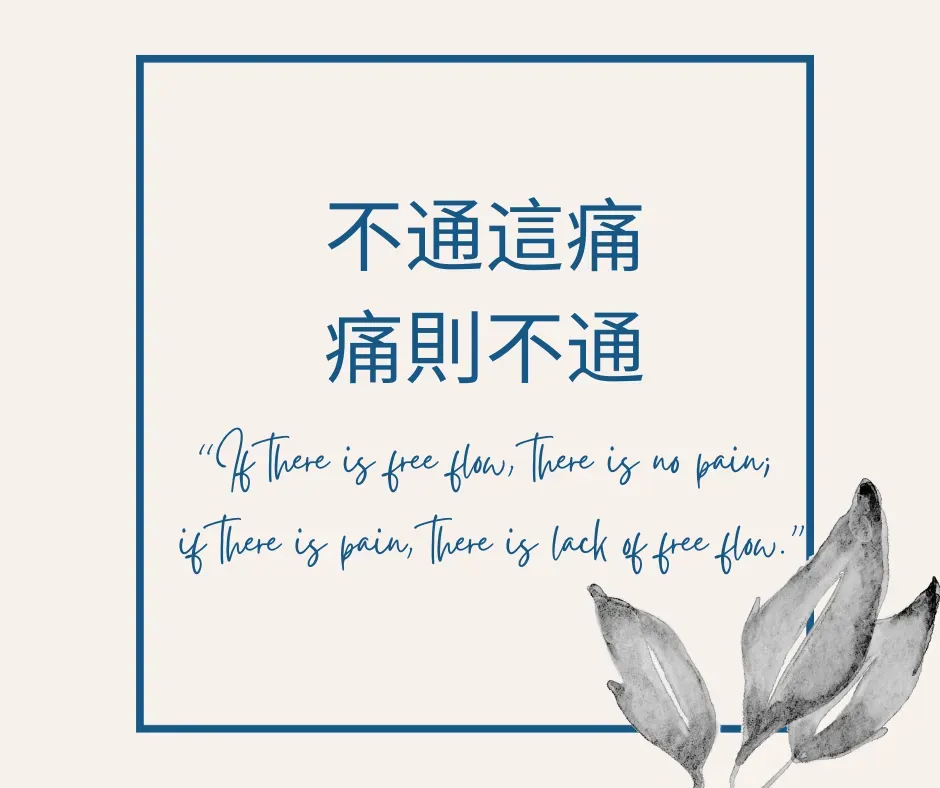
A lovely image which visually represents a chapter from one of the classical texts of acupuncture.
October 20, 2025
Curious how acupuncture works? By promoting the free flow of Qi and blood, it helps the body heal naturally, easing pain and supporting overall wellbeing.

An image is behind Chinese Characters for the Seasonal Node of Jie Qi. In the background is a frosted plant.
October 20, 2025
Discover how to navigate Frost’s Descent with Chinese Medicine. Seasonal foods, tips for protecting your lungs, boosting circulation, and preventing colds during this transitional period.
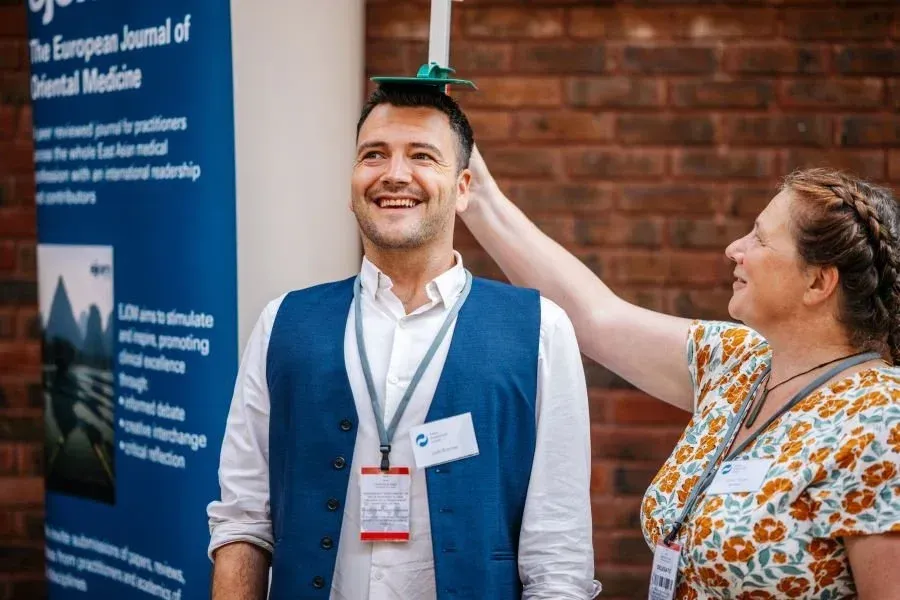
Josh stands tall as a lady to his right measures his height as part of a science experiment.
October 20, 2025
Discover how acupuncture supports holistic health by promoting the free flow of Qi, balancing emotions, and improving both physical and mental wellbeing.
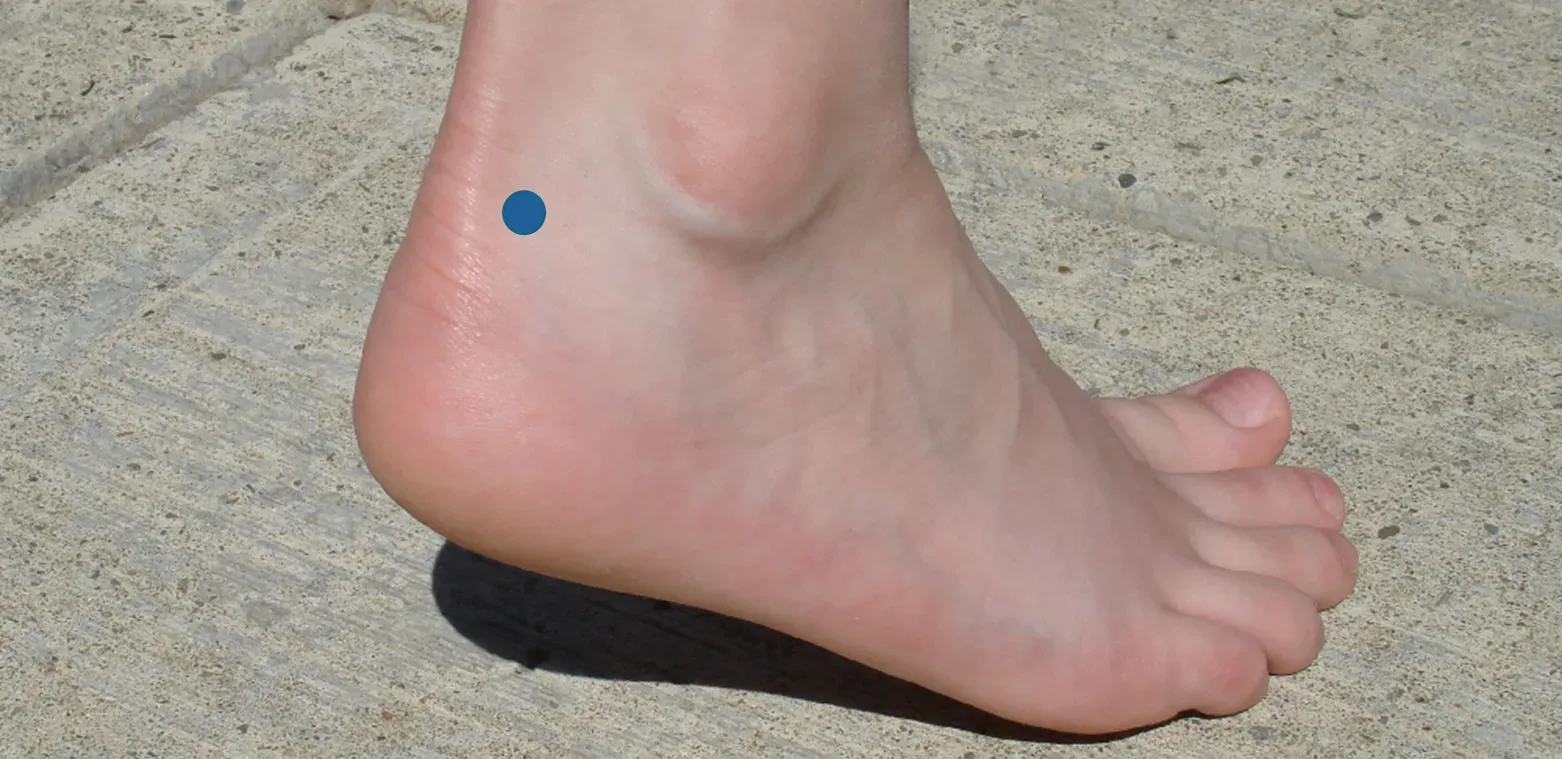
Foot with a blue dot on the outer ankle, resting on a textured gray surface.
October 20, 2025
Discover the benefits of Kidney 4, the Large Goblet, for back pain, shortness of breath, and fear-related emotional imbalances through Chinese Medicine principles.
A graphic which is of two faces eother side, made out of trees, with a person walking through a gap between the two faces.
October 20, 2025
Explore the many facets of personal identity, how illness or roles shape us, and why embracing multiple identities can enrich our lives and wellbeing.

Show More